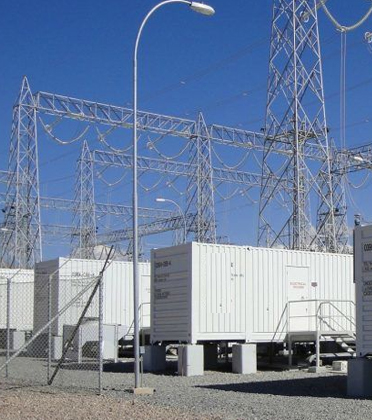
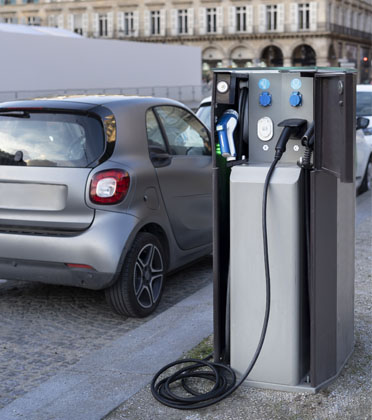
Battery Energy Storage Systems (BESS) are applied in EV transport to stabilize the grid by managing peak demand from fast chargers, enable renewable energy integration for green mobility, reduce operational costs by shifting energy use to off-peak hours, and provide backup power for uninterrupted service. This helps accelerate EV adoption by addressing grid constraints and improving the economics and sustainability of charging infrastructure.

Applications of BESS
Battery Energy Storage System
Ev Transport
Home Unit
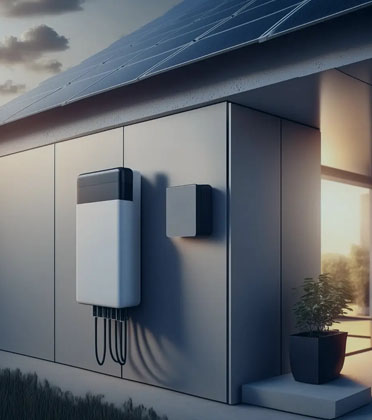
BESS (Battery Energy Storage System) home units are used for renewable energy integration, managing electricity costs, and providing backup power during outages. These "behind-the-meter" systems are scaled for residential use and often include intelligent software for energy management.
Commercial Used
Commercial Battery Energy Storage Systems (BESS) are used to reduce energy costs through peak shaving and load shifting, improve power quality by stabilizing voltage and frequency, provide backup power, integrate renewable energy sources, and even generate revenue through energy trading and grid services. Key applications include managing electricity use during peak hours, stabilizing microgrids, and ensuring reliable power for critical business operations.
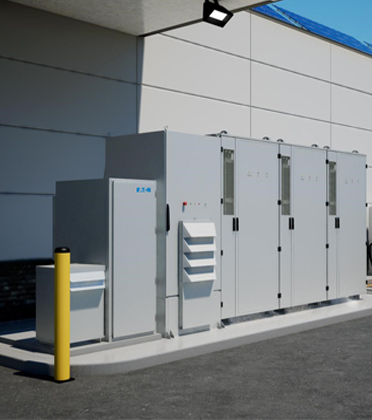
Industrial Used
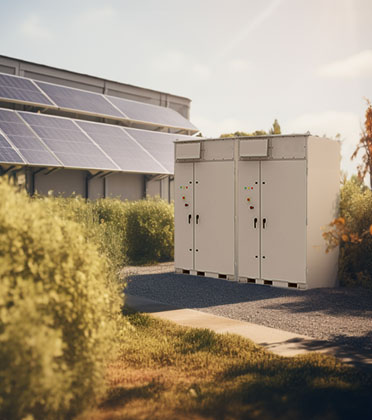
Battery Energy Storage Systems (BESS) are used in industrial settings for peak shaving (reducing costly peak demand), energy arbitrage (buying low, selling high), integrating renewable energy, providing backup power, and improving grid stability and power quality. These applications lead to significant cost savings, enhanced operational reliability, and a lower carbon footprint for industrial operations.
Microgrid
BESS (Battery Energy Storage Systems) in microgrids enhance reliability, economic viability, and sustainability by managing renewable energy intermittency, providing grid stability through frequency and voltage support, enabling peak shaving and load shifting for cost savings, and ensuring backup power during outages. They are crucial for industrial sites, remote communities, critical infrastructure, and defense facilities, enabling grid independence, reducing reliance on fossil fuels, and building resilient energy systems.
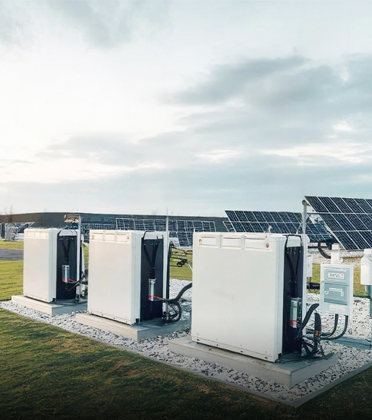
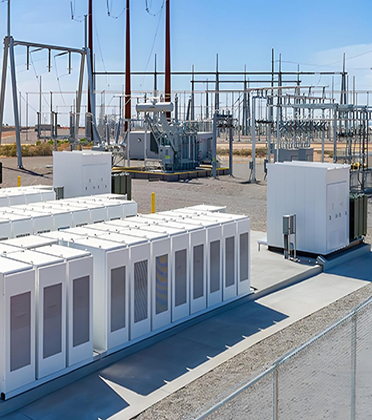
Utility-Scale Generation & Energy Storage
Utility-scale Battery Energy Storage Systems (BESS) are primarily used for grid stabilization, integrating intermittent renewable energy (like solar and wind), peak shaving, and energy arbitrage, by storing and dispatching electricity to smooth out supply fluctuations, manage peak demand, and defer costly grid infrastructure upgrades. These large-scale systems provide services such as frequency regulation, voltage support, and backup power, making the grid more resilient and enabling higher renewable energy penetration.
Substations
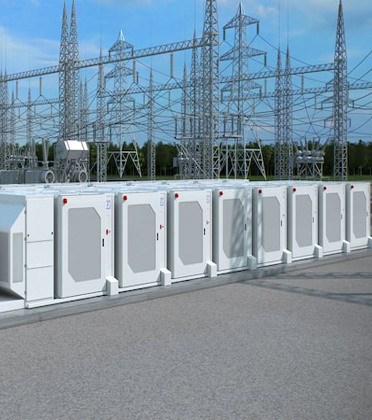
BESS (Battery Energy Storage Systems) at substations store and release electricity to stabilize the grid, manage peak demand, integrate renewable energy, and provide backup power, enhancing reliability and efficiency for utilities, businesses, and remote communities. They smooth power fluctuations, relieve transmission congestion, and offer new revenue streams through energy trading.
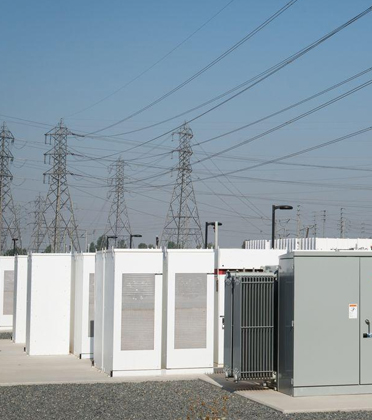
Power Stations
BESS (Battery Energy Storage Systems) power stations are used for grid stabilization, integrating renewable energy by storing and dispatching excess power, peak shaving and load leveling, providing backup power, enabling microgrids for energy autonomy, and offering economic advantages through energy arbitrage and demand response. They increase grid reliability, efficiency, and support the transition to cleaner energy.
Transmission & Distribution
Battery Energy Storage Systems (BESS) are applied in transmission and distribution (T&D) to enhance grid stability, integrate renewable energy, defer infrastructure investments, and improve power quality by providing services like peak shaving, voltage support, black start capability, and congestion management.